
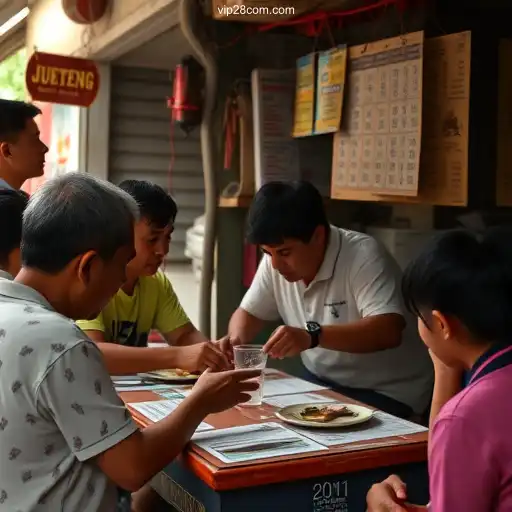

The Intricate World of Jueteng: A Closer Look
The clandestine numbers game known as Jueteng holds a unique position in Philippine society. Despite its illegal status, this traditional lottery has become deeply entrenched in local culture and politics. Understanding Jueteng and its pervasive influence provides insight into the challenges of regulating gambling activities and the persistent allure of these games in communities across the nation.
Defining Jueteng
Jueteng is a form of illegal gambling, akin to a numbers game. Participants choose a combination of numbers, and winners are drawn at random. The structure of Jueteng is deceptively simple; however, its operations are complex and involve various stakeholders, from small-time bettors to affluent financiers. The Philippine government has made numerous attempts to curtail its spread, yet the game persists, largely due to its widespread acceptance and the substantial profits it generates.
The Economic Appeal of Jueteng
The popularity of Jueteng can be attributed to its economic benefits for many involved. For the players, it offers a low-cost and potentially high-reward gambling option. Bets are often modest, allowing even those from lower-income communities to participate. For organizers and local officials, the lure comes from the substantial revenues generated, which are often distributed among various layers of participants, creating a sustainable economic network.
As these revenues flow through communities, they occasionally fund local projects or serve as unofficial payouts to secure political or social favors. This secondary role of Jueteng as a pseudo-community development fund is part of what makes it so challenging to abolish, as it fills financial gaps left by inadequate services.
Social and Cultural Dimensions
Jueteng also holds social significance as a daily communal activity. It’s a regular fixture in marketplaces and neighborhoods, fostering connections among bettors and collectors. This has turned it into more than just a game, becoming a social glue in many communities. For those betting, the game’s appeal transcends financial gain; it represents hope and the possibility of instant change in their economic status.
Political Entanglements
The relationship between Jueteng and politics in the Philippines is complex. Several scandals have emerged over the years, involving politicians who allegedly received contributions from Jueteng lords in exchange for protection. This intersection of gambling and politics creates an environment where enforcement of gambling laws becomes significantly hampered. Often, political will to eradicate Jueteng is undermined by vested interests benefiting from its operation.
Challenges of Regulation
Efforts to regulate or eradicate Jueteng have taken various forms, from bolstered legal measures to the promotion of alternative legal gambling options like the Small Town Lottery (STL). However, these efforts have seen limited success, primarily due to the entrenched nature of Jueteng in local culture and the inadequacies in replacing its benefits. Many Filipinos remain skeptical of government-sanctioned lotteries, viewing them as less personal and less reliable than their underground counterpart.
Jueteng in the Digital Age
As technology advances, so does the operation of Jueteng. In recent years, there's been a noticeable shift towards digital platforms in both conducting and placing bets. This evolution is analogous to the growth of online gambling platforms globally, including those like vip28 bet – Cassino Online e Apostas, presenting new challenges for regulation and enforcement.
The digital transformation of Jueteng operations highlights the need for updated legislative frameworks and innovative solutions to keep gambling under check. The potential for platforms like Pix Imediato and others offering bonuses for new players to seamlessly incorporate Jueteng-style betting is a concern for policymakers, who must adapt to this shifting landscape.
The Implications for Society
The persistent presence of Jueteng underscores broader socio-economic issues within the Philippines. Until such roots are addressed, through economic opportunities and robust governance, traditional solutions to combat illegal gambling will continue to falter. As Jueteng modernizes alongside digital platforms, like Cassino platforms offering instantaneous transactions and enticing bonuses, societies and regulators are faced with questions about the nature of gambling and community resilience.